Table Of Content
The anchors are hauled up into this hawsepipe and secured in place. When a ship anchors, it does so at zero speed over the ground or with a very small amount of stern way. Sometimes, if you’re cruising into a place and you’re going to be turning into a current slightly, it’s more prudent to put down the anchor which is on the current side of the vessel.
See how Cruise Ship Collides With Dock at Turkish Port
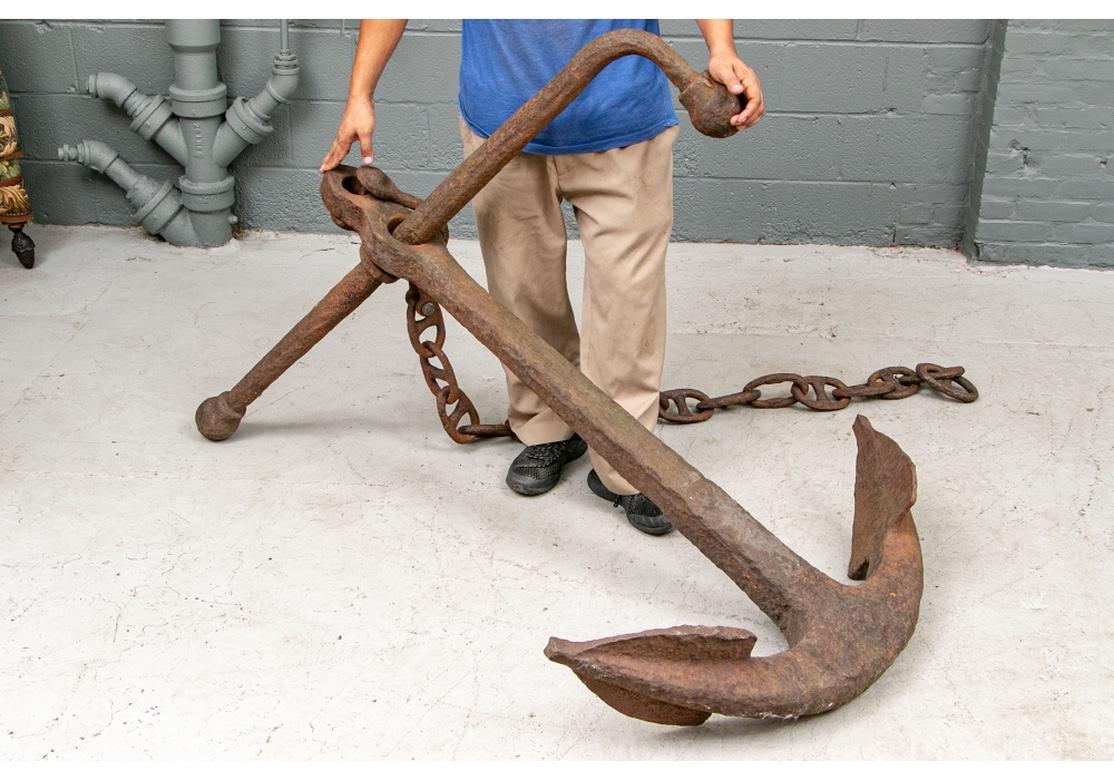
The weight of the anchor plays a crucial role in ensuring that the ship remains securely anchored, especially in adverse weather conditions or strong currents. A heavier anchor means more holding power, keeping the ship in place and preventing it from drifting or dragging along the seabed. We have explored the various components that make up a cruise ship anchor, including the flukes, shank, stock, arms, and anchor chain.
Why Are Cruise Ship Anchors So Big?

Each ship requires a carefully calculated anchor weight to ensure stability and effectiveness in different operating environments. These case studies illustrate the careful considerations involved in determining the weight of cruise ship anchors. Each ship’s unique characteristics, including size, displacement, intended operating conditions, and environmental factors, all contribute to the determination of the optimal anchor weight.
Depth Markings
In this article, we will delve into the topic of cruise ship anchors and explore their weight. Join us as we uncover the mysteries of cruise ship anchors and provide some fascinating insights into their weight. As you embark on a memorable voyage, you may find yourself wondering about the intricate workings of these massive vessels. One of the most intriguing aspects is the anchor, a crucial component that ensures the ship’s stability and safety when docked or at anchor.
Juneau Takes Steps to Limit Cruise Ship Passengers
It is common for ships to have two anchors, one on the port side and one on the starboard side of the ship. However, anchors can only work if their chains are long enough for them to reach the seabed, rendering them useless in open water. If, for some reason, the ship loses all functioning anchors; it can still rely on its thrusters to keep it stable.
The biggest anchor in the world belongs to the largest ship in service, Pioneering Spirit. The ship has a gross tonnage of 403,342 far greater than the next largest ships by gross tonnage. If there is no pull on the chain, and it’s slack, then there is no weight on the chain. The ship will not be sitting directly above the anchor but rather drawn away from it by wind and water currents. One anchor is sufficient to keep a ship in position, although two can have their uses in specific circumstances. While this method is more straightforward and versatile for ships, it also uses up more fuel and comes at a high cost.
Methods used to determine the weight of a cruise ship anchor
It is located on the foc’sle, the forwardmost upper deck of a ship. Local rules in several cruise ports forbid using anchors to save coral reefs. The captain must choose whether to drop anchor or employ the dynamic positioning system if there are no regulations on anchors. The chain’s flexibility is essential when it comes to dropping and retrieving the anchor.
On poor holding ground the anchor would not sit successfully on the seabed and would drag. The catenary of the chain is what holds the ship in place and the ship will swing around this but not drift very far. The pipe that the anchor cable chain goes down from the windlass to the outside of the ship is called the hawsepipe.
Bar Harbor upset with cruise line after ship anchors without reservation - WABI
Bar Harbor upset with cruise line after ship anchors without reservation.
Posted: Mon, 26 Jun 2023 07:00:00 GMT [source]
Understanding the anatomy, factors, and methods used to determine anchor weight provides valuable insights into the intricate world of cruise ship operations. To recap, cruise ship anchors weigh anywhere from 10 to 20 tons, depending on the size of the vessel. The chain that the anchor is attached to does a lot of work to keep the ship stable when it needs to remain stationary.
The process involves lowering the anchor until it just touches the bottom, causing the ship to turn on that position. This transfers the steering point of the vessel to where the anchor comes out of the ship and the ship will turn on that position. Good holding ground would suggest that the anchor will sit on the bottom there and will hold successfully.
Then, the ship will turn towards the cable to take the weight off it, and the anchor will be heaved back up onto the ship. On a chart on a ship, it indicates the nature of the bottom – whether it’s what’s known as ‘good holding ground’ or ‘poor holding ground’. When a ship is brought to anchor, the speed is reduced to the minimum necessary for steering. The engines are then put into reverse to generate sternway, and the anchor is dropped onto the bottom. There’s an old saying that the starboard anchor is used in the southern hemisphere and the port anchor in the northern hemisphere.

Cruise ships typically have two anchors, one on each side of the ship. This is done to provide redundancy in case one of the anchors fails. When an anchor is dropped, it can disturb the bottom sediment and damage marine life. Anchors can also cause pollution by releasing heavy metals into the water.
Controversy Erupts as Cruise Ship Anchors in English Town - Cruise Hive
Controversy Erupts as Cruise Ship Anchors in English Town.
Posted: Mon, 04 Sep 2023 07:00:00 GMT [source]
With a long chain the ship is able to move slightly without the anchor needing to come out of the seabed. Welcome to High Seas Cruising, your resource for exploring the exciting world of cruise ship travel. We provide expert advice, insightful reviews, and comprehensive guides to help seasoned and novice cruisers create their ideal sea journeys. Whether you desire adventure, luxury, or exploration, High Seas Cruising is your compass to unforgettable cruise vacations.


No comments:
Post a Comment